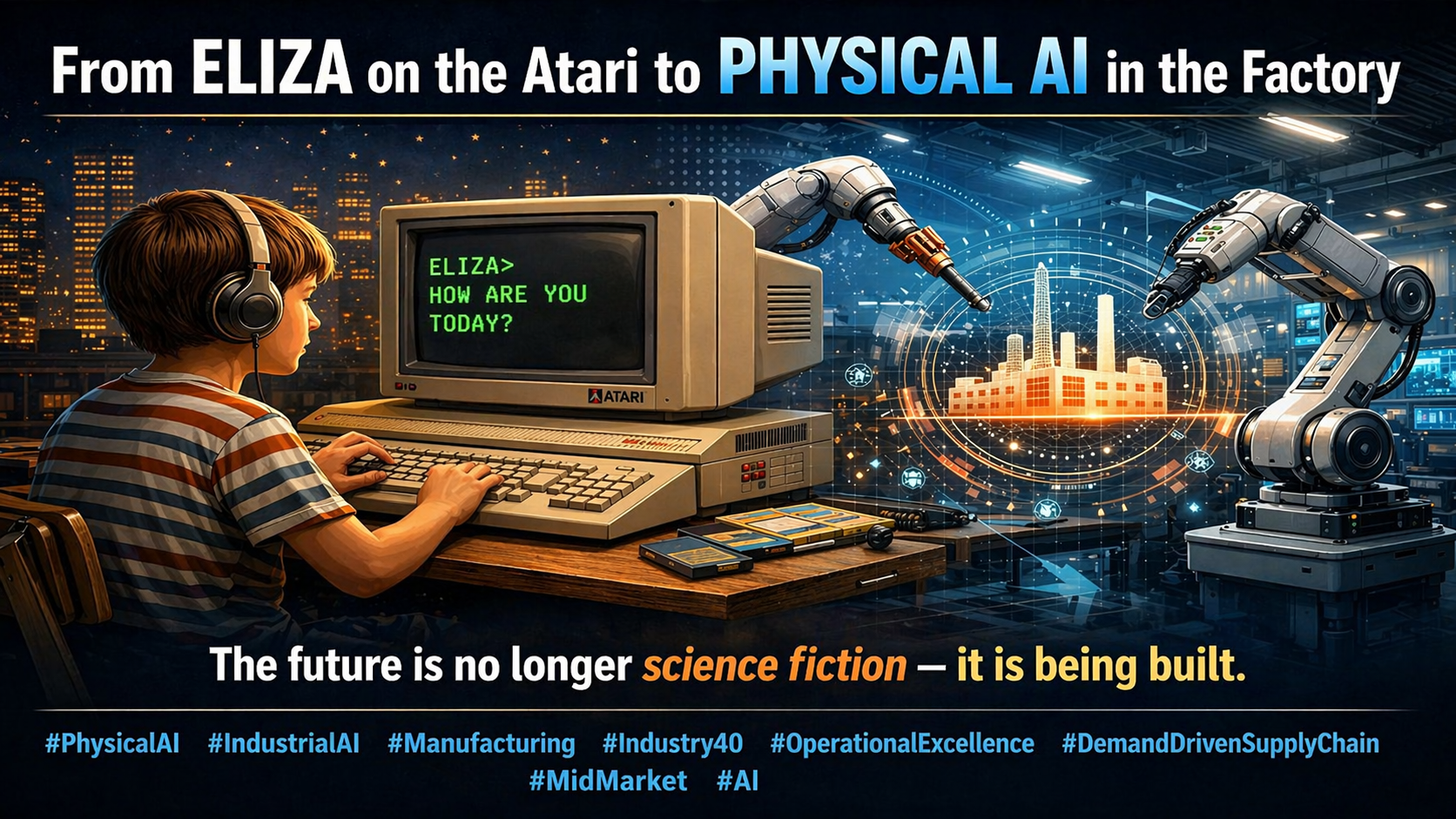
Physical AI in Manufacturing: Why Data, Planning, and Process Foundations Matter
Physical AI is transforming manufacturing, but most companies are not ready. Learn how data, planning, and operational foundations enable real-time, AI-driven production.
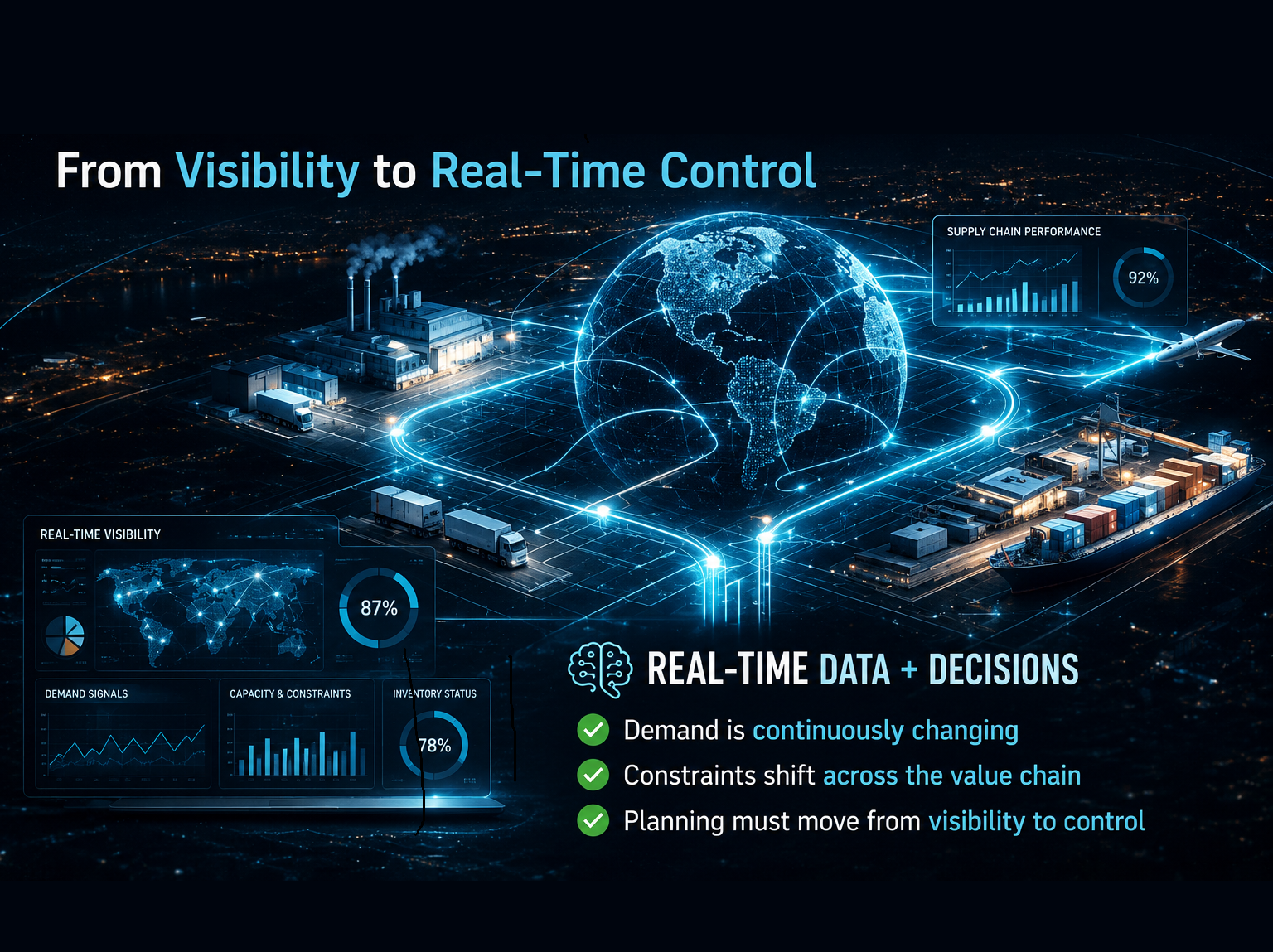
Demand-Driven Supply Chain Planning: From Visibility to Real-Time Control
Demand-driven supply chains require more than data availability — they require using data to support real-time decisions. This article explores how analytics, system modeling, and digital twins enable operational supply chain control.
When Supply Chains Work as One System, Everything Improves
Supply chain performance rises when organizations shift from siloed optimization to system-wide planning, using AI to align production, logistics, and demand.
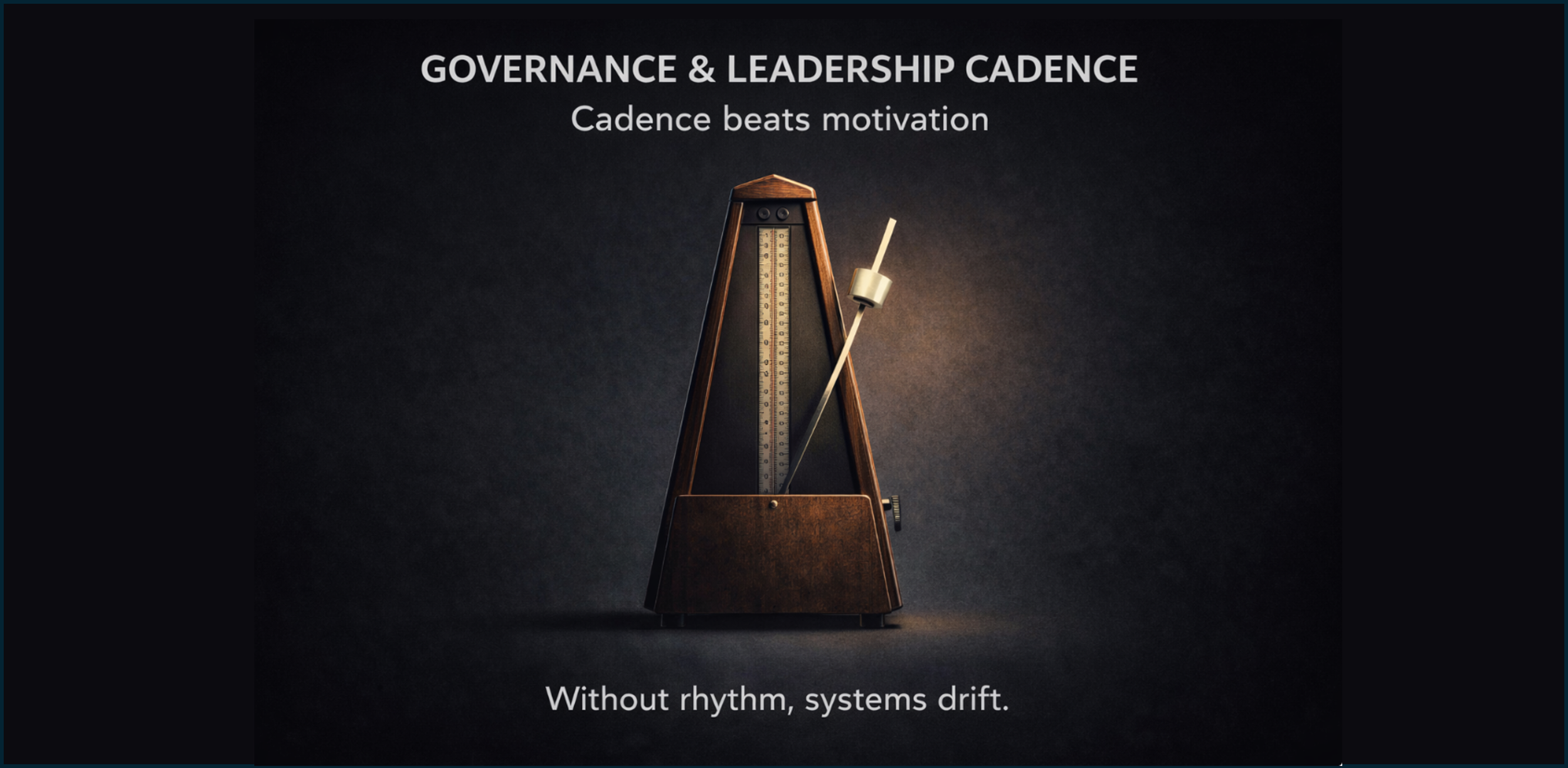
OPEX Governance: Turning Operational Excellence into a Management System
Operational Excellence accelerates with clear roles, decision rights, and cadence—driving transparency, faster escalation, and scalable, sustainable execution.
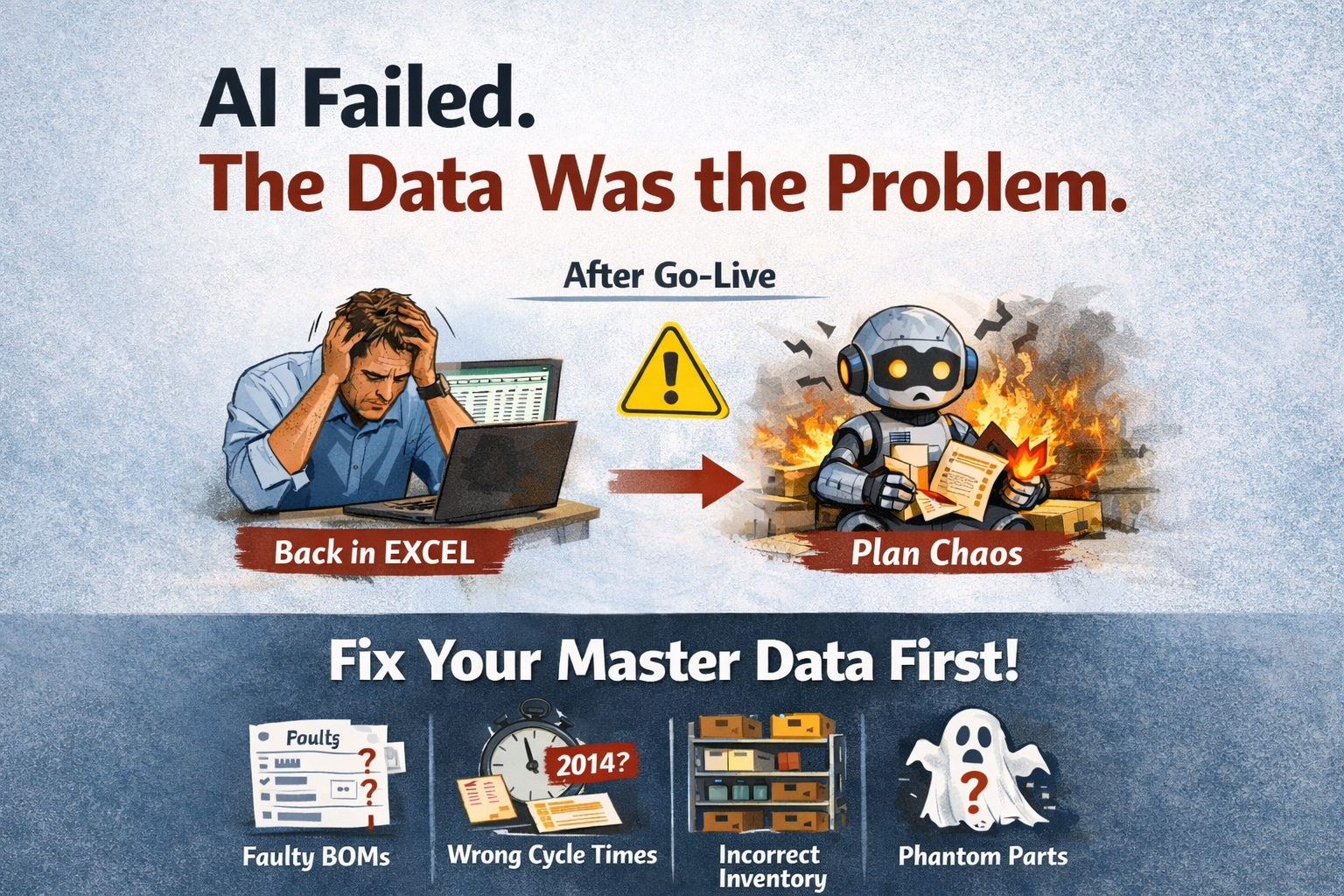
If the Master Data Is Messy, AI Will Scale the Mess — Fast
AI in production planning depends on clean master data—leading companies first fix BOMs, validate cycle times, and build a reliable data foundation before scaling with AI.
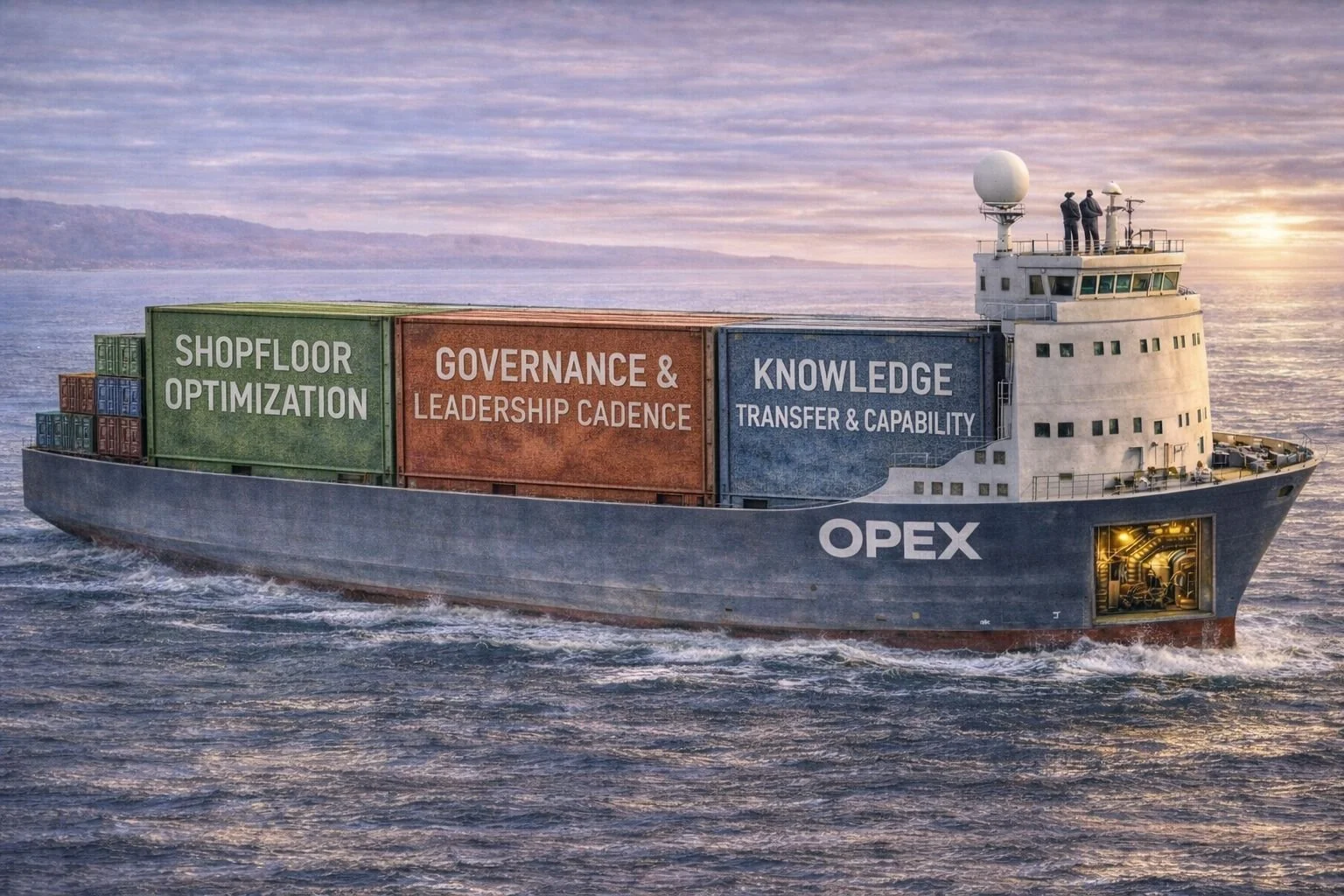
Operational Excellence Has Three Pillars
Operational Excellence combines shopfloor optimization, governance, and capability development—connecting strategy with daily execution to drive stable processes and sustainable performance.
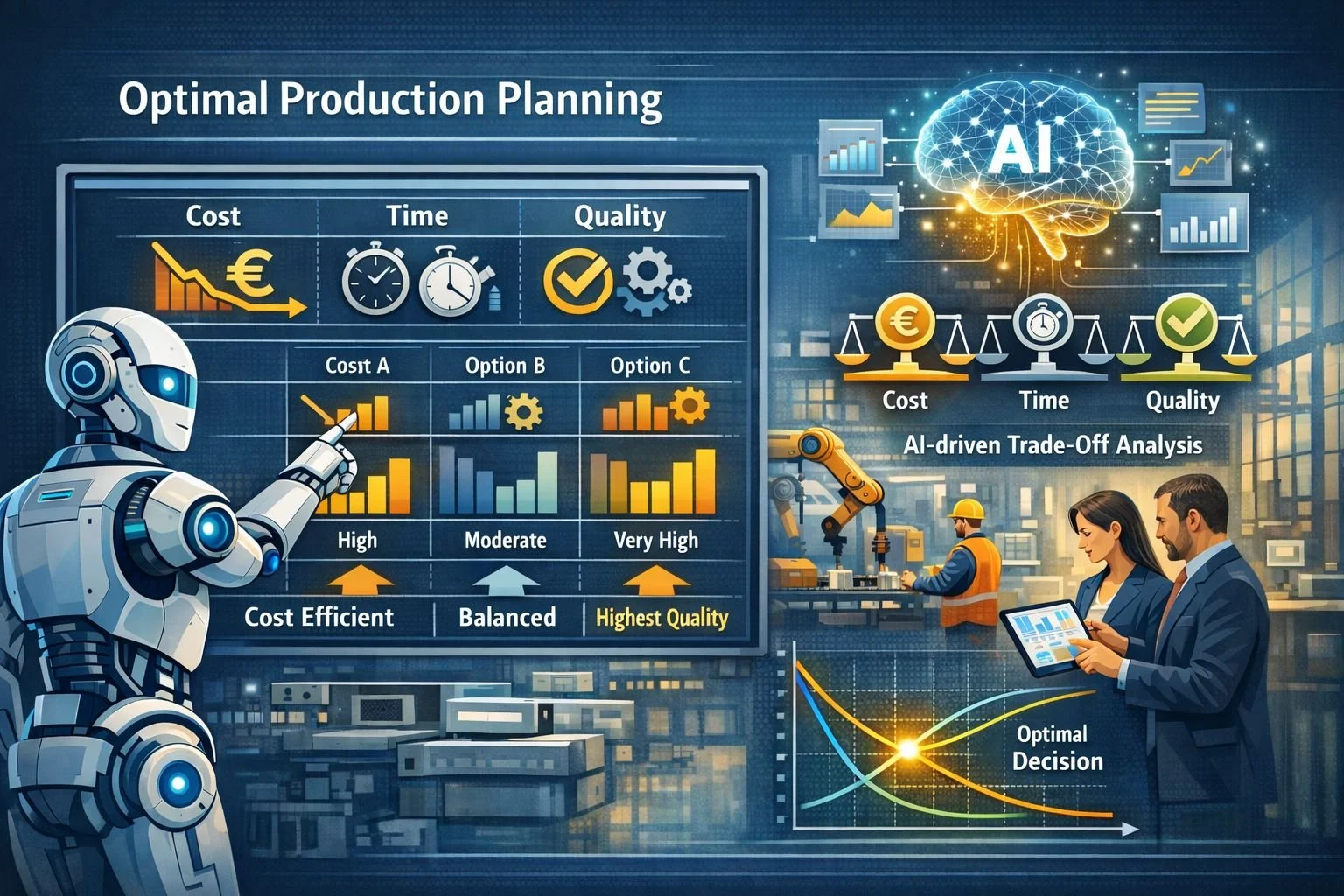
How AI Helps Production Planners Make Better Decisions
AI creates value in production planning by helping planners evaluate complex constraints, trade-offs, and scenarios—combining human expertise with AI-driven decision intelligence.
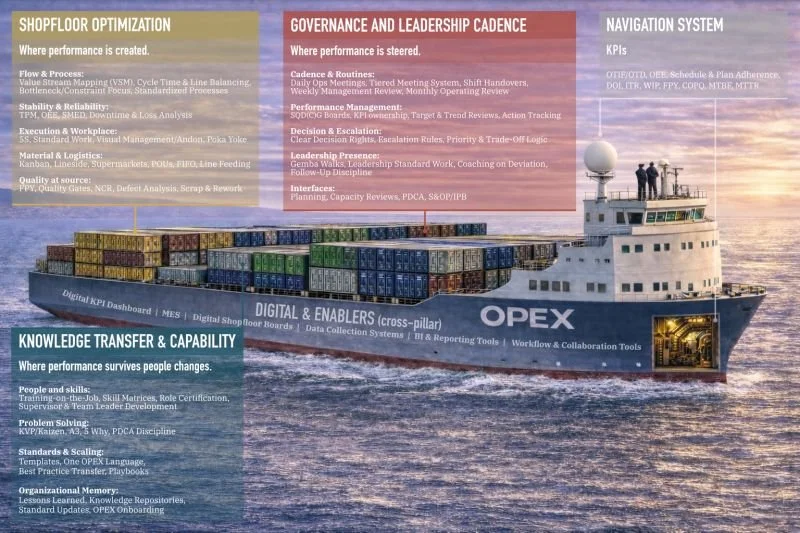
Connecting Lean and Continuous Improvement
Operational Excellence, Lean, and Continuous Improvement work together as a system—turning strategy into consistent daily execution and building high-performing organizations.
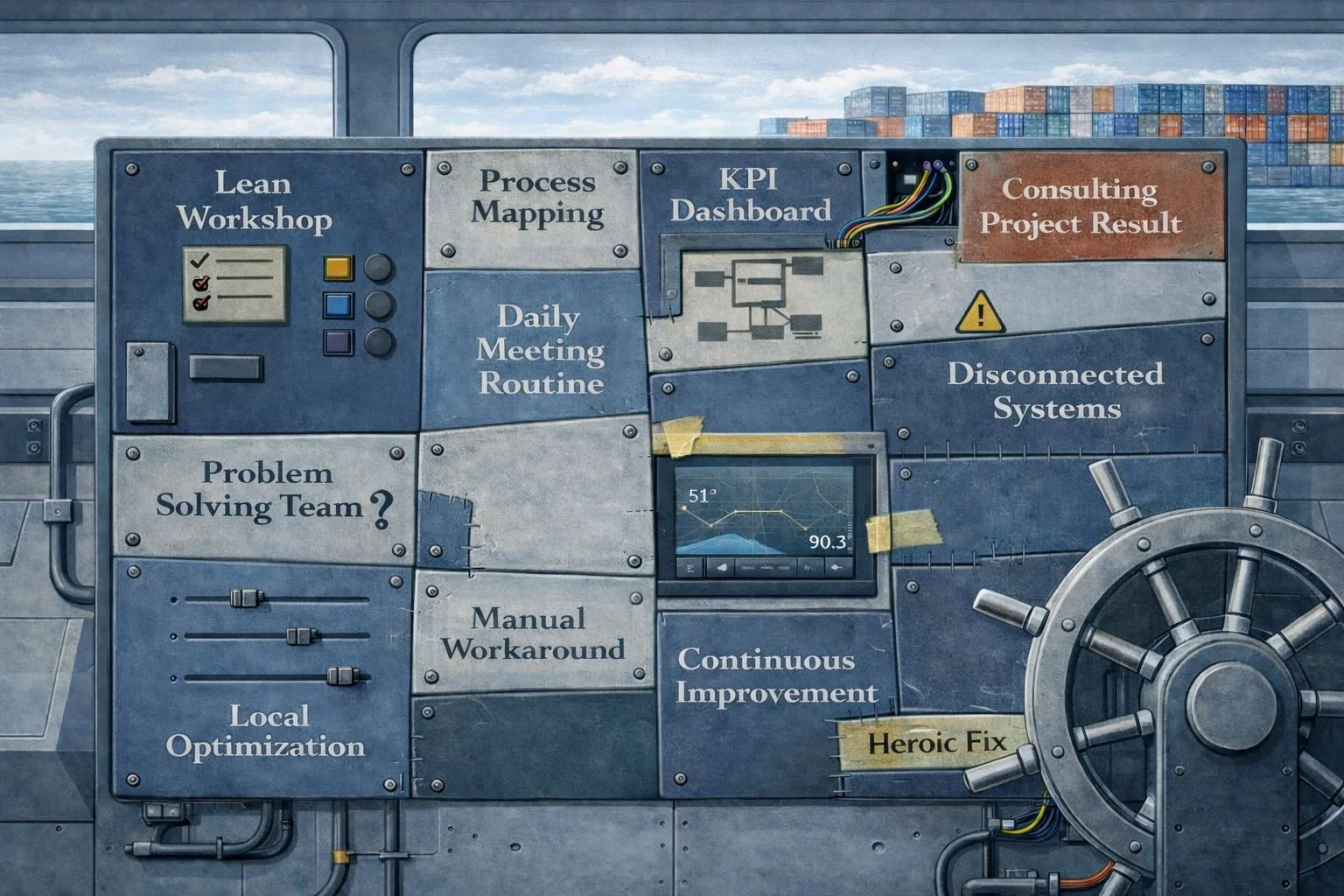
The System That Turns Strategy Into Daily Performance
Operational Excellence delivers results when initiatives align as a system—connecting leadership routines with daily execution to create scalable, resilient performance.

Digitizing the planning
Computer based decision support proposes solutions interactively and in real time, coordinated with other performance units of value added network and pursuing the respective corporate goals.

Supply Chain 4.0 - Planning and control in real time
Real time simulation with real data initially enables transparency of all bottlenecks and underutilization. The employees of our customers plan precisely forward to the next hours or days.
